Real Estate Commission Negotiation in 2026: What Home Sellers Can Ask For
Commissions are negotiable after the NAR settlement. Here is what a half point is worth and what else to ask before you sign a listing agreement.

In this article 9 sections
Real estate commissions are negotiable. Since the NAR settlement rules took effect in August 2024, listing agents cannot advertise buyer-agent pay on the MLS, and buyers must sign a written agreement with their agent before touring. On a $417,500 home, each half point of commission is worth $2,087.50, so it pays to ask.
Sellers moving to a smaller place often expect a standard fee and never ask. This guide from Midlife Simplicity explains how commissions work after the settlement, what you can negotiate besides the percentage, and how September 2026 market data changes your leverage.
What Changed in Real Estate Commissions After the NAR Settlement?
Two practice changes matter most to sellers. Listing brokers can no longer publish offers of buyer-agent compensation on the MLS, and agents working with buyers must have a written agreement before touring a home. Both took effect on August 17, 2024, according to the National Association of Realtors settlement FAQ.
The same material states that compensation "is not set by law and is fully negotiable." That line now appears in agreements and disclosures. It means the number in your listing agreement is a starting point, not a rule.
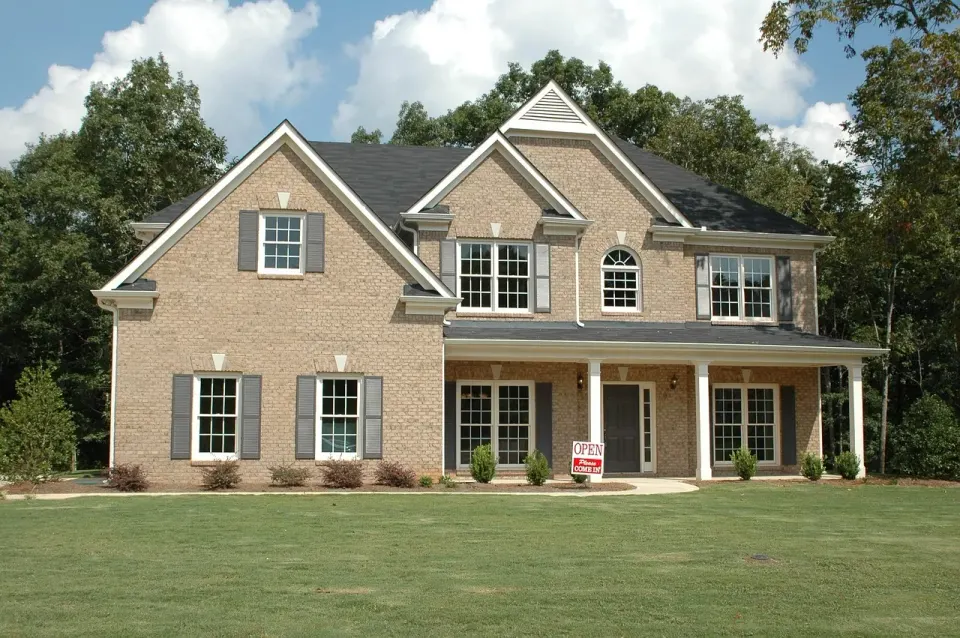
Sellers can still offer to pay a buyer's agent, but it is optional and happens outside the MLS listing. Some sellers offer a set percentage, others a flat amount, and some offer nothing. Each choice affects how many buyers see your home as a good deal.
How Much Is a Commission Worth on a Typical Sale?
On the September 2026 median existing-home price of $417,500, a 5.5% total commission is $22,962.50, while 5% is $20,875 and 4.5% is $18,787.50. The NAR September report gives the price, and your own number will differ, so run the math on your expected sale price.
The table shows what each half point is worth at three price levels. Use it to see how a small change in the rate becomes real money.
| Sale price | 5.5% total | 5.0% total | 4.5% total | Saved from 5.5% to 4.5% |
|---|---|---|---|---|
| $300,000 | $16,500 | $15,000 | $13,500 | $3,000 |
| $417,500 | $22,962.50 | $20,875 | $18,787.50 | $4,175 |
| $600,000 | $33,000 | $30,000 | $27,000 | $6,000 |
Remember the tax side. The Internal Revenue Service lets you subtract selling costs, including commissions, from your sale price when you figure your gain. See IRS Topic 701 on the sale of your home. Our guide to capital gains tax on selling your family home explains how that works.
Does the September 2026 Market Give You Leverage?
Buyers have more leverage than a year ago. NAR reported that existing-home sales ran at 3.99 million in September, down 2.2% from a year earlier, with inventory up 4.6% to 1.60 million homes. The supply was 4.8 months, and the median home took 33 days to sell.
NAR chief economist Lawrence Yun said higher inventory and longer days on market give buyers improved negotiating power, and that sellers should be realistic about local conditions. The full numbers are in NAR's September report.

For you, that cuts two ways. Buyers may ask for concessions, which makes a competent agent more valuable. Sellers also have room to ask agents for a lower fee or shorter contract, because agents compete for listings. Both facts argue for asking before you sign.
What Can You Negotiate Besides the Percentage?
Several terms are open to discussion. The percentage is the headline, but the details often matter just as much. Ask about each of these before you sign:
- The listing fee percentage or a flat fee
- Whether a buyer-agent offer is included, and how much
- The length of the agreement, since shorter terms leave you room to switch
- A fee for a buyer you find yourself
- Cancellation terms if the agent is not meeting the plan
- Marketing the agent pays for, such as photos and staging
Pay special attention to the agreement length. Six months is common, but a shorter term of 90 days gives you an exit if the home sits. Also look at what happens to the fee if you cancel and then sell to a buyer the agent introduced.
Some agents offer tiered fees, where the rate drops if the price passes a set level. Others offer lower fees for a sale without extra services. Ask for the options in writing and compare the total, not just the headline rate.
Should You Offer to Pay the Buyer's Agent?
It depends on your market and your goals. Offering to pay can widen the pool of buyers, because many buyers have limited cash and cannot also pay their agent. Not offering saves you money but may shrink the number of showings.
A middle path is to offer a smaller amount, or to offer it only if you reach a price target. You can also wait and see. If offers come in low, you can add buyer-agent pay or a closing-cost credit then, as you would any other concession.
Whatever you choose, put it in writing and tell your agent exactly what you are offering. The offer is made outside the MLS, so your agent has to pass it to buyers' agents in other ways, and you should know how.

Consider this as part of the price. If you list at $417,500 and offer 2% to a buyer's agent, the offer costs $8,350. A $4,000 price cut costs less. Compare the two options before choosing one, since buyers often respond more to a lower price than to a seller credit.
Are Flat-Fee and Limited-Service Options Worth a Look?
For some sellers, yes. Flat-fee brokers list your home on the MLS for a set price, often a few thousand dollars, and leave showings and negotiation to you. Limited-service plans sit in between, with an agent handling part of the process for a reduced fee.
These options suit sellers who are comfortable handling calls, showings and offers. They are a weaker fit if you are juggling a move to another town, a house full of belongings or a tight timeline. Time has a cost, and a missed detail in a contract can cost more than the savings.
Whatever route you take, compare the total cost, including photos, staging, signs and any fee for the buyer's agent. A low listing fee with high add-ons can end up more expensive than a mid-priced full-service plan. Ask each option for a written fee sheet and compare them side by side.
How Do You Choose an Agent You Can Negotiate With?
Interview at least three agents, and ask each the same questions. Request their average days on market, the ratio of sale price to list price for the last year and a marketing plan in writing. Ask how they will price your home, and how they will tell you when it is time to cut the price.
Look for an agent who explains tradeoffs instead of promising a number. A pricing plan that uses recent sales near you is a good sign. Our guide to pricing your home to sell in a slower fall 2026 market shows how to check an agent's number against recent sales.
Do not choose only on the lowest fee. An agent who cuts the fee but sells for 3% less costs you more than a full-service agent who gets your price. Weigh the fee against the result, and ask for references from sellers who downsized.
What Paperwork Should You Check Before You Sign?
Read the listing agreement line by line. Look for the start and end date, the commission, the buyer-agent offer, any fee if you cancel and any marketing the agent promises. Cross out or question anything you do not understand, and ask for changes in writing.
Gather your own paperwork early, too. Deeds, tax bills and HOA documents help your agent price and list the home faster. Our checklist of documents you need to sell your house shows what to collect.
The Consumer Financial Protection Bureau explains how to read the final cost sheet at closing in its Closing Disclosure guide. Midlife Simplicity suggests comparing it with your listing agreement, so no fee appears that you did not agree to.

This article is general information, not legal or real estate advice. If you are unsure about a contract, a real estate attorney can review it for a modest flat fee.
Conclusion
Real estate commissions are open to negotiation, and the post-settlement rules make the conversation easier. Know what a half point is worth, ask about the length and cancellation terms, decide whether to pay the buyer's agent and get everything in writing. In a slower market, a clear plan protects your proceeds.
Your next step is to interview three agents this week and ask each one for their fee, their buyer-agent offer advice and a written marketing plan.
Are real estate commissions negotiable in 2026?
Do sellers still have to pay the buyer's agent?
How much does a 1% commission cost on a typical home?
How long should a listing agreement last?
This guide is part of our Selling series. One small job a week arrives in Sunday Notes, with nothing to sell you.
In this article 9 sections


Sunday Notes
One email.
One small job
for the week.
Every Sunday: a single checklist, a single story, nothing to sell you. Unsubscribe in one click.