Documents You Need to Sell Your House: A 2026 Seller's Checklist
Deeds, payoff statements, disclosures and improvement records. What to gather before you list, where to get it and what to keep after closing.

In this article 9 sections
The documents you need to sell your house fall into four groups: proof of ownership, your mortgage payoff details, the seller disclosure forms your state and federal law require, and records of improvements. Gather them before you list. A missing deed copy or payoff statement is a common reason a closing slips by a week or more.
Most sales do not stall over price. They stall over paper. A title company cannot find a release from a mortgage paid off in 2004, or a buyer's lender wants a permit for the deck. Each gap is small, but each one adds days.
This checklist is for long-time owners getting ready to sell, often for the first time in decades. It lists the documents a typical sale needs, where to get each one and when it is needed. Midlife Simplicity covers selling, downsizing and the paperwork in between, in the order you will actually need it. Rules vary by state, so treat this as a starting point and confirm details with your agent or closing attorney.
What Documents Do You Need to Sell Your House?
You need your deed or title details, a mortgage payoff statement, your state's seller disclosure form, any lead paint disclosure for a pre-1978 home, recent property tax and utility bills, HOA documents if you have them, and records of major improvements and permits. Your agent and closing agent will request most of these early.
The table below shows where each one usually comes from and when it is needed.
| Document | Where to get it | When it is needed |
|---|---|---|
| Deed and owner's title policy | Your closing file or county recorder | Before listing |
| Mortgage payoff statement | Your loan servicer | Two to three weeks before closing |
| State seller disclosure form | Your agent or state realtor association | Before an offer is accepted |
| Lead paint disclosure (pre-1978) | EPA sample form, via your agent | Before the buyer signs |
| Property tax and HOA statements | County tax office and HOA manager | When under contract |
| Improvement receipts and permits | Your files and city building department | Before listing |
At Midlife Simplicity, we suggest one folder with a tab for each row. Fill it before the listing goes live, when nobody is waiting on you.
Ownership and Mortgage Papers
Your deed proves you own the home. If you cannot find your copy, the county recorder's office can usually supply a certified copy for a small fee. Many counties now let you search and order online.
Look out for an old mortgage that was paid off but never formally released. It shows up as an open lien on the title search. The fix is a release letter from the old lender, which can take weeks if that lender has merged or closed.
For a current mortgage, the closing agent needs a payoff statement showing the exact amount to clear the loan on closing day. The Consumer Financial Protection Bureau (CFPB) publishes the federal rule. Under Regulation Z, section 1026.36, a servicer must send a payoff statement within a reasonable time and no more than seven business days after a written request.
Exceptions apply. Loans in bankruptcy or foreclosure and reverse mortgages are not held to the seven-day limit. If you have a reverse mortgage, ask for the payoff figure early.
Seller Disclosures and the Federal Lead Paint Rule
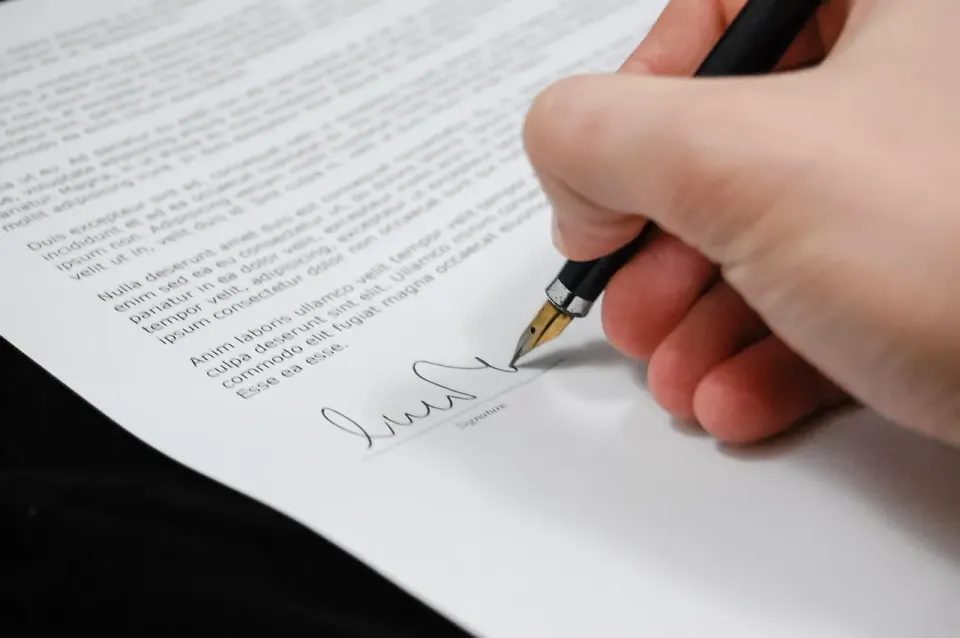
Most states require a seller disclosure form listing known defects, such as roof leaks, water in the basement or past termite damage. The form differs by state. Fill it in honestly. A known problem left off the form can come back as a legal claim after closing.
Homes built before 1978 carry an extra federal duty. The Environmental Protection Agency (EPA) explains the rule on its lead-based paint real estate disclosure page. Sellers must give buyers the pamphlet titled "Protect Your Family From Lead in Your Home." They must also share any known lead hazards and reports.
The EPA rule also gives buyers a 10-day window to test for lead, unless both sides agree otherwise in writing. A Lead Warning Statement goes in the contract itself. Your agent will usually supply the EPA sample form.
Plenty of homes owned by long-time owners were built before 1978. If yours was, expect this form. Having any old lead test results ready saves time.

Records of Improvements and Permits
Receipts for major work do two jobs. They show buyers the home was cared for. They also raise your cost basis, which can lower any taxable gain on the sale.
Gather proof of big projects: a new roof, a kitchen remodel, replacement windows, an added bathroom or a new furnace. Invoices, canceled checks and contractor agreements all count. Routine repairs, such as repainting a room, generally do not add to basis.
Our guide to capital gains tax on a family home sale explains how basis works and when the $250,000 or $500,000 exclusion runs out. Long-time owners in high-cost areas are the ones most likely to need every receipt.
Permits matter too. A buyer's appraiser or lender may question a finished basement or deck with no permit on file. Call your city or county building department to check what is recorded before you list.

HOA, Condo and Utility Paperwork
If your home is in a homeowners association (HOA) or is a condo, the buyer will want the association's documents. These usually include the bylaws, rules, recent budget, reserve study and meeting minutes. Many states require sellers to deliver a resale packet before closing.
HOAs often charge for that packet, and some take 10 days or more to produce it. Order it as soon as you accept an offer. Ask the manager for a statement showing your dues are paid up to date, since unpaid dues or special assessments are settled at closing.
Utility records help too. Buyers like to see a year of average electric, gas and water bills, especially for an older house. Most utilities let you download a usage history from your online account. Print it and add it to the folder.
Selling From a Trust or an Estate
Many downsizers hold their home in a revocable living trust. If yours is, the trustee signs the sale documents, not you as an individual. The title company will ask for a certification of trust or a copy of the trust pages that name the trustee and grant the power to sell.
Selling a parent's home from an estate adds more paper. Expect to need a death certificate, letters from the probate court naming the executor and sometimes court approval of the sale. These take time, so start before the house is listed and ask an estate attorney which forms your state requires.
Tax Forms at and After Closing
The closing agent usually reports the sale to the Internal Revenue Service (IRS). The IRS page About Form 1099-S describes it as the form used to report the sale or exchange of real estate. You will typically receive a copy early the following year.
Receiving a 1099-S does not mean you owe tax. Many sellers of a main home fall under the exclusion. It does mean the IRS knows about the sale, so keep your closing statement and basis records with your tax papers.
Property taxes are split at closing too. The settlement statement shows a proration, which divides the year's tax between you and the buyer by the number of days each owns the home. Check that the dates match your closing date.
What to Keep After the Sale
Once the keys change hands, it is tempting to shred the whole folder. Hold on to the important pieces. The EPA rule above requires sellers to keep signed lead disclosure copies for three years after the sale.
These are the documents we suggest keeping, and for how long:
- Final closing or settlement statement: at least seven years, with your tax return.
- Form 1099-S and improvement receipts: with that year's tax records.
- Signed lead disclosure forms: at least three years.
- Seller disclosure form and inspection reports: at least three years.
- Utility final bills and deposit refunds: until every refund arrives.
Keep a scanned copy in cloud storage as well as the paper set. Moves are when folders go missing.
If you are renting while you decide on the next home, our guide on how to negotiate rent and concessions after selling covers the bridge period. It explains how to use sale proceeds to strengthen a rental application.

Your Next Step
The documents you need to sell your house are easier to find before anyone is waiting on them. Start this week with the deed, your latest mortgage statement and a list of major improvements since you bought. Then ask your agent for the state disclosure form and, for an older home, the lead paint packet.
If the sale is part of a bigger move, our list of things to check before moving to another state in retirement covers the next set of decisions. When a closing date is set, the change of address checklist picks up where this folder leaves off.
What paperwork do I need before listing my house?
How long does it take to get a mortgage payoff statement?
Do I have to disclose lead paint when selling an older home?
Does getting a Form 1099-S mean I owe tax on my home sale?
This guide is part of our Paperwork series. One small job a week arrives in Sunday Notes, with nothing to sell you.
In this article 9 sections


Sunday Notes
One email.
One small job
for the week.
Every Sunday: a single checklist, a single story, nothing to sell you. Unsubscribe in one click.