Household Hazardous Waste Before a Downsizing Move: What to Do With Paint, Chemicals and Batteries
The garage and shed hold the items movers refuse and the trash cannot take. Here is how to clear them safely, in four calm weeks.

In this article 7 sections
Take paint, cleaners, pesticides, fuel and batteries to a household hazardous waste collection site before your move. Movers will not load most of them, and the trash, the drain and the curbside bin are all unsafe options. Search your zip code in the Earth911 database, or call your local waste agency, at least four weeks ahead.
This guide is for downsizers who are emptying a garage, shed or basement and are not sure what to do with the half-used cans on the shelves. It explains what counts as household hazardous waste, what a mover will refuse, and how to deal with each type in short, ordered sessions. Midlife Simplicity treats these rooms as the hardest to face, so the plan starts with the shelf and not the whole building.
What counts as household hazardous waste in a downsizing move?
Household hazardous waste is any leftover home product that can catch fire, react, explode, corrode or poison. Paints, cleaners, oils, batteries and pesticides are the usual examples. These products need special handling when you throw them away, so they never belong in a regular trash bag.
The Environmental Protection Agency (EPA) explains this on its page about household hazardous waste. It adds that even an empty container can hold residue that is dangerous. That means a rinsed-out paint can still needs the same care as a full one.
A quick test helps with unmarked items. If a label says warning, danger, poison, flammable or corrosive, treat the product as hazardous. If the label gives no disposal directions, call the maker or your local waste agency before you decide what to do with it.
Most downsizers are surprised by how much of this they own. Think about a garage that has been used for 25 years: old stain, weed killer, motor oil, pool chemicals, a gas can, spare car batteries and a box of dead flashlights. None of it is unusual, and all of it is on the list.
Which hazardous items will your mover refuse to take?
Movers will refuse most hazardous items, including paint, paint thinner, lighter fluid, gasoline, propane cylinders and automotive chemicals. The Federal Motor Carrier Safety Administration (FMCSA) lists these as hazardous materials, and no reputable mover will pack them with your furniture.

The FMCSA glossary for household moves also names nail polish remover on the list, along with compressed gases and flammable liquids. That is a useful reminder that small items count too. A single aerosol can will not cause a disaster, but a box of them in a hot truck is a different story.
Ask your moving company for its own list of non-allowable items before packing day. Rules differ from one company to the next, and you want to learn about them while there is still time to book a collection slot. Anything on that list should be sorted out in the first two weeks of your plan, not on the morning of the move.
Propane cylinders and gas cans are the two items most likely to be left on a garage floor at the last minute. The FMCSA lists both as hazardous materials, so neither can ride with your furniture. Ask the retailer that sold you the cylinder whether it takes returns, and check whether your local collection site accepts them, because some sites do not. Use only an approved fuel container for gasoline, and call your fire department's non-emergency line if you are unsure.
How do you dispose of paint, cleaners and pesticides safely?
Take them to a household hazardous waste facility or collection day in their original containers, labels on. Do not mix products or pour them out. Call your local environmental, health or solid waste agency to find a permanent site or the next scheduled event in your area.

The EPA gives a few simple rules for this job. Keep products in their original containers and never remove the labels. Never store them in food containers. Never mix leftovers, because incompatible products can react, ignite or explode, and a contaminated mix may no longer be recyclable.
Some places have no year-round drop-off site. In that case, look for a designated collection day, which many counties run a few times a year. Some local garages may accept used motor oil for recycling, so it is worth a phone call before you drive to the collection site.
Transport matters too. Pack containers upright in a sturdy box in the trunk, with cardboard or towels between them so they cannot tip or knock together. Keep the box out of the passenger cabin and out of direct heat. Wear gloves when you handle anything that has leaked, and never mix products in the box to save space.
If a can of paint is unopened and still useful, there is another path. Some local reuse programs and charities accept sealed, labeled cans, though policies vary, so ask first. A neighbor with a fence to paint is another good home for it.
Sorting a shelf is quick work if you use three piles: keep, give away and collection site. For the middle pile, the guide to donating household items when you downsize explains what charities accept and what records to keep.
How do you handle batteries before a move?
Do not put batteries in the trash or curbside recycling. Take them to a battery collection site or a household hazardous waste facility. For lithium batteries, cover the terminals with non-metallic tape or bag each one separately, and keep them away from anything that could crush them.
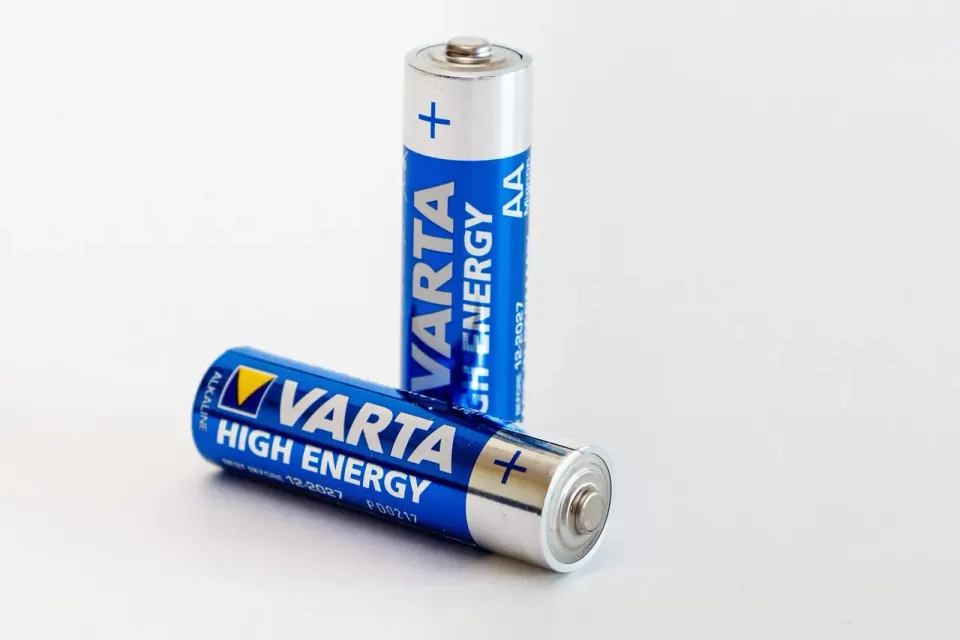
That advice comes from the EPA's lithium-ion battery recycling questions and answers. The agency says lithium batteries pose a fire hazard to waste workers and collection facilities when they end up in the municipal waste stream. It points households to battery drop-off points, which are often found at electronics retailers.
Lithium batteries hide in more places than people expect. Check cordless drills, power tools, old laptops, e-bikes, smoke alarms, vape devices, children's toys and spare phones. Put every one of them into a single labeled box that you can carry to the drop-off in one trip.
If a battery is swollen, leaking or visibly damaged, do not leave it in a drawer. Place it alone in a non-flammable container, such as a metal tin, and call the collection site before you bring it. Staff can tell you how they want damaged batteries handled.
A drawer of old electronics is also a good time to wipe personal data. Remove accounts from old phones and tablets before they leave the house. If you are selling a few of the better devices, the piece on selling household items and the 2026 1099-K rules covers the tax side.
Why not put hazardous waste in the trash, a drain or a skip?
It is tempting to fill a rental dumpster and be done. But improper disposal can hurt sanitation workers, contaminate septic tanks and wastewater systems, and pollute soil and water. A skip or dumpster company may also refuse the load, or charge extra, if it finds chemicals inside.
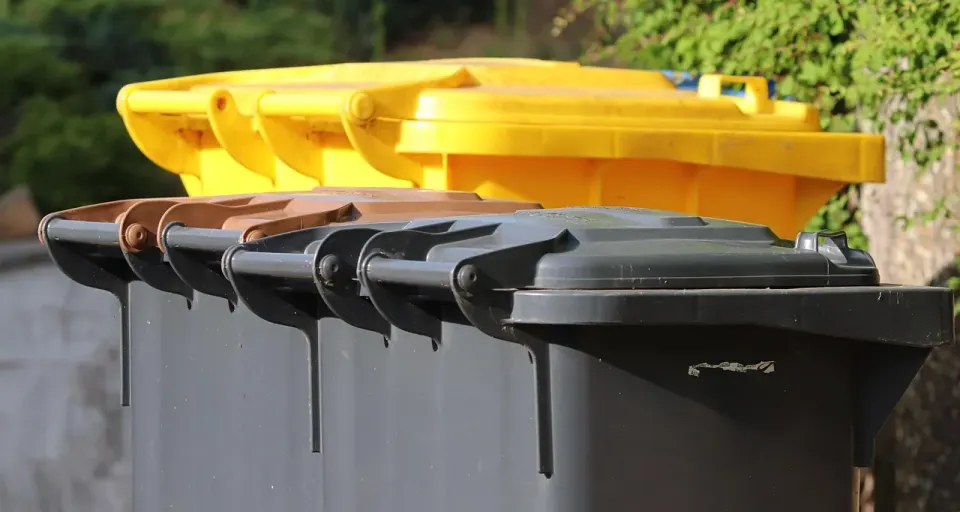
The same logic applies to the drain. Pouring leftovers down a sink, toilet or storm sewer can harm the water system and does not make the problem go away. If you are unsure whether something is hazardous, read the label for disposal directions, or call the product maker or your local waste agency.
A four-week schedule for clearing hazardous items
Use this schedule to keep the work in short sessions. It follows a simple rule: start with the least-loved spaces and finish one before you begin the next.
- Week four: walk the garage, shed and basement, and group every hazardous item together.
- Week three: call your local waste agency and book or note the next collection date.
- Week two: take the first load to the site, and ask your mover for its non-allowable items list.
- Week one: drop off batteries and any remaining cans, then sweep the shelves.
- Moving day: check each cupboard and shelf once more before the truck arrives.
At Midlife Simplicity, we build a spare week into every plan. A collection day may be canceled by weather, or your county may limit the amount you can bring. A spare week means a missed date does not become a problem on moving day. The ten-week countdown for a winter downsizing move shows how to fit this job into a longer plan.
Your next step with household hazardous waste
Start with one shelf this week. Group the paint, cleaners and batteries, find your local collection site and write the date on the calendar. That small step turns a vague worry into a single errand.
Keep a one-line note of what you dropped off and where. If a question comes up later, or a buyer asks about leftover products on the property, you will have a clear answer. A note on your phone is enough, and it takes about a minute to write.
You do not need to be perfect. You need a safe place for each item and enough time to get it there. Once the garage is clear, the rest of the move feels lighter.
Can I throw old paint in the trash before moving?
Will movers take cleaning products and paint?
How should I dispose of lithium batteries when downsizing?
How far ahead should I plan hazardous waste disposal?
This guide is part of our Downsizing series. One small job a week arrives in Sunday Notes, with nothing to sell you.
In this article 7 sections

Sunday Notes
One email.
One small job
for the week.
Every Sunday: a single checklist, a single story, nothing to sell you. Unsubscribe in one click.