Home Sale Cost Basis: Which Improvements Count in 2026
A higher cost basis means a smaller taxable gain. Here is which improvements and closing costs count, which repairs do not and what records to keep.

In this article 8 sections
Your home's cost basis is what you paid, plus qualifying closing costs, plus the cost of permanent improvements. A higher basis shrinks your taxable gain when you sell. New roofs, additions and kitchen remodels count. Interior painting and leak repairs do not. Keep the receipts until three years after the return reporting the sale is due.
Home sale cost basis is the number that long-time owners most often get wrong. A family home bought decades ago can carry a large gain on paper, even after a generous tax exclusion. This guide is for downsizers who plan to sell and want to know which costs reduce that gain. It covers improvements, repairs, closing costs and the records to keep.
Midlife Simplicity covers the order of operations for selling up, and basis belongs near the top of that list. The rules below are federal and current as of November 2026. This is general information, not tax advice, so check your own numbers with a preparer.
What Is Cost Basis When You Sell a Home?
Cost basis is the starting number the IRS uses to measure your gain. It begins with the purchase price, adds qualifying closing costs and the cost of improvements, and then subtracts items like energy credits. Your gain is the selling price, minus selling expenses, minus that adjusted basis.
The Internal Revenue Service (IRS) sets this out in Publication 523, Selling Your Home. Selling expenses include items such as the agent's commission. If you want a line-by-line look at those, our breakdown of the cost to sell a house in 2026 covers them.
Basis matters because of the exclusion. The IRS says you may exclude up to $250,000 of gain on your main home, or up to $500,000 on a joint return. You must meet the ownership and use tests, which each require two years out of the last five. Gain above the limit is taxable.
Here is a hypothetical case. A couple bought in 1994 for $140,000 and paid $3,000 in qualifying closing costs. They spent $60,000 on a roof, a furnace and a bathroom, then sell for $780,000 with $47,000 in selling costs. Their basis is $203,000 and their gain is $530,000. After the $500,000 exclusion, $30,000 is taxable.
Without records for the improvements, the basis falls to $143,000. The gain rises to $590,000, and $90,000 is taxable. Same house, same sale, three times the taxable gain. The paperwork is the difference.
Your own numbers may differ. Business use of part of the home, such as a dedicated office, can also change the math. Publication 523 covers those cases in detail.
Which Home Improvements Add to Your Basis?
An improvement adds value to the home, extends its useful life or adapts it to a new use. Publication 523 lists additions, new roofs, heating and cooling systems, kitchen modernization, flooring and more. You add the full cost of each one to your basis.

A new roof is the classic example. It is expensive, it lasts for years and it is easy to document. The same goes for new siding, storm windows and doors, and attic or wall insulation.
Look at the systems inside the walls too. Furnaces, central air, wiring, a water heater and a septic system all appear on the IRS list. Built-in appliances, a fireplace and wall-to-wall carpeting are there as well, as long as they are still part of the home when you sell.
Work through the house room by room. Most owners remember the big projects and forget the mid-sized ones, like a new water heater or a fence. At Midlife Simplicity, we suggest building the list from your bank statements, because a $4,000 payment to a contractor is easier to spot than a memory.
Additions, Yard Projects and Other Items People Forget

Additions are the easiest to defend. A new bedroom, a bathroom, a deck, a garage, a porch or a patio all raise your basis by what they cost. Lawn and grounds work counts too, including landscaping, a driveway, a walkway, a fence and a retaining wall.
Pools and security systems are on the list as well. So is a lawn sprinkler system. Owners often assume yard work is cosmetic, but the IRS treats permanent outdoor features as improvements.
A few items drag your basis back down. If you claimed a tax credit or received a utility subsidy for an energy upgrade, you must subtract that amount from your basis. Solar panels and heat pumps are common examples. Check any credit you took before you add the full cost.
Homes you did not buy follow different rules. A gifted home generally carries the donor's basis, and an inherited home has its own treatment. Our guide to selling a home after a spouse dies explains one common version of that situation.
Repairs and Maintenance That Do Not Count
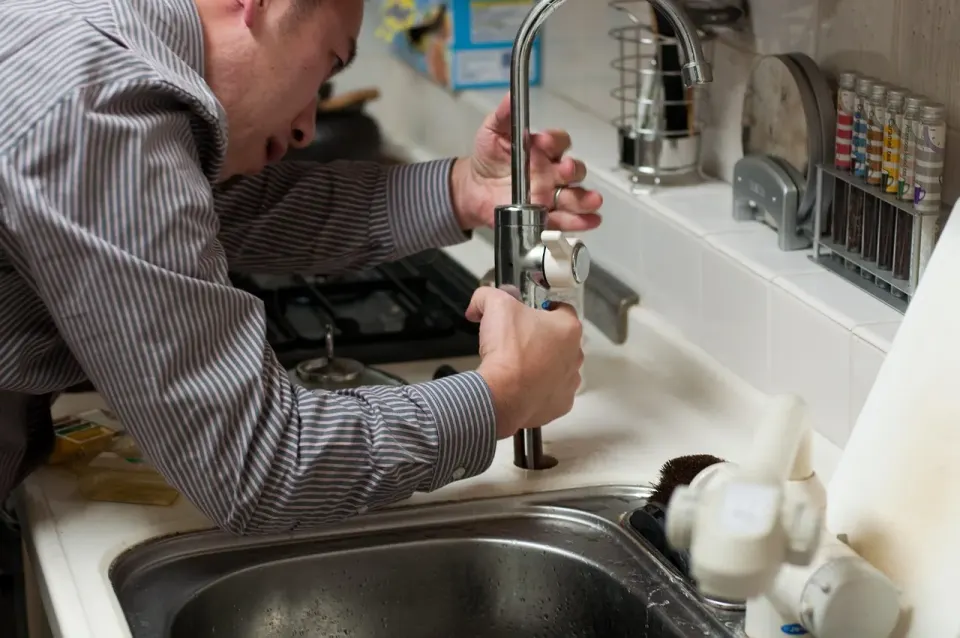
Publication 523 draws a clear line. Costs that keep the home in good condition, without adding value or extending its life, are not improvements. Painting, fixing leaks, filling holes or cracks and replacing broken hardware all fall on the wrong side.
There is one important exception. Repair-type work counts when it is part of an extensive remodel. Replacing a broken windowpane is a repair. Replacing every window in the house is an improvement, and the whole job goes into your basis.
Two more rules catch people out. You cannot include an improvement that is no longer part of the home, such as carpet you later replaced. You also cannot include items with a life expectancy of less than one year when installed.
Here is a quick example. A $900 repainting job stays out of your basis, and a $14,000 roof replacement goes in. If one contractor bundles both on a single invoice, ask for the costs to be split on paper.
When you are unsure, ask what the work did. Did it make the house better, last longer or serve a new purpose? If it only returned the house to how it was last year, treat it as maintenance.
Which Closing Costs From Your Purchase Count?
Some settlement fees from your purchase belong in your basis, but most loan costs do not. Publication 523 names legal fees, recording fees, survey fees, transfer or stamp taxes, abstract fees and owner's title insurance as qualifying items. Charges for installing utility services also qualify.
Loan-related costs do not count. Mortgage insurance, loan assumption fees, a credit report, a lender-required appraisal and points are all excluded. So are fire and casualty insurance premiums and amounts placed in escrow for future taxes.
Your best source is the settlement statement from the purchase. For recent purchases, that is the Closing Disclosure, which the Consumer Financial Protection Bureau (CFPB) says lenders send at least three business days before closing. If you cannot find yours, the title company or closing attorney may have a copy.
What Records Should You Keep, and for How Long?
Keep records that document your adjusted basis until three years after the due date of the return for the year you sold. That is the general rule in Publication 523. For a home you owned for thirty years, that means the paper trail has to outlast the ownership.
Useful records include the settlement statement, contractor invoices, receipts, permits and canceled checks. Before and after photos help show what was done. When a receipt is gone, a bank statement, a permit on file with your town or a contractor's old invoice copy can fill the gap.
Start with one folder and add to it as you go. Sort the papers by year and by project. Scan every page, and keep the scans in two places before you move boxes anywhere.
Be honest about what you can prove. Do not guess at a figure for a project you cannot document. A preparer can tell you whether other proof can stand in for a missing receipt, and a smaller documented basis is safer than a larger guess.
Do You Still Report the Sale If the Gain Is Excluded?
Sometimes, yes. The IRS explains in Topic No. 701 on the sale of your home that you must report the sale if you receive Form 1099-S, even when the gain is excludable. You must also report it if you cannot exclude all of the gain.
When reporting is required, you use Schedule D and Form 8949. Your basis goes on that form. This is why a clean file matters, even for owners who expect the exclusion to cover everything.
A Basis Checklist Before You List
Follow this order and the numbers will be ready before a buyer makes an offer:
- Find the settlement statement from your purchase.
- List every improvement by year, with the cost and the contractor.
- Remove repairs, replaced items and anything a credit already covered.
- Gather receipts, invoices and permits into one folder.
- Book a short session with a tax preparer to confirm the total.
Do this before you sign a listing agreement, not after closing. If you plan to rent after the sale, a landlord will ask for proof of income and credit, as our guide to renting after selling your house explains.
The paperwork habit carries over to other parts of a move too. Donated goods need receipts for similar reasons, as our piece on donating furniture and clothes while downsizing explains. A little order now protects a sizeable deduction later.
Do home improvements reduce the tax I owe when I sell?
How long should I keep home improvement receipts?
What if I cannot find my original closing documents?
Do I have to report my home sale if the gain is excluded?
This guide is part of our Selling series. One small job a week arrives in Sunday Notes, with nothing to sell you.
In this article 8 sections

Sunday Notes
One email.
One small job
for the week.
Every Sunday: a single checklist, a single story, nothing to sell you. Unsubscribe in one click.