The Cost to Sell a House in 2026, Line by Line
Commission, closing fees, transfer taxes and prep add up fast. Here is what a seller pays, what is negotiable and what the IRS lets you count.

In this article 8 sections
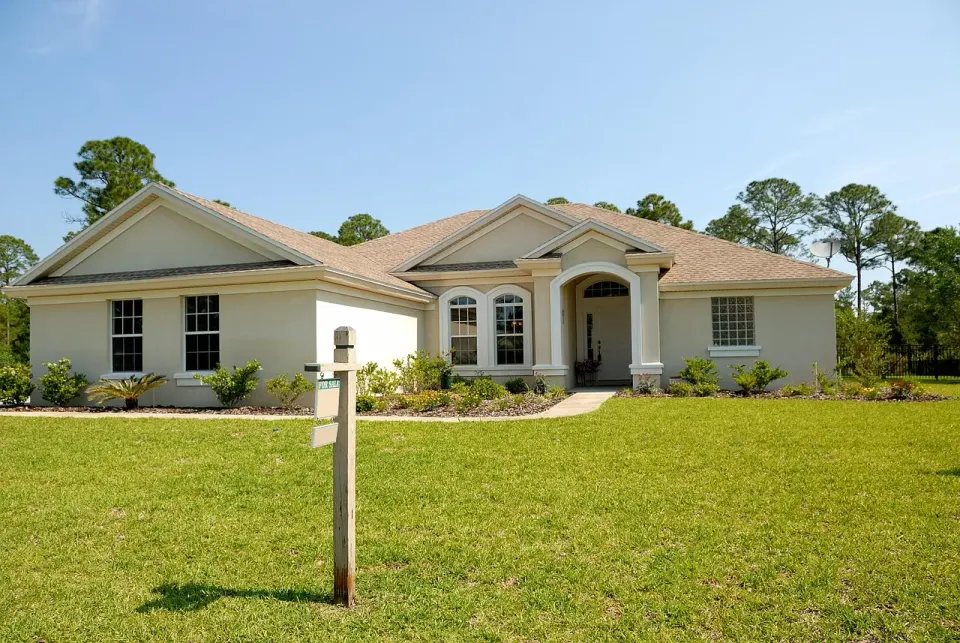
The cost to sell a house in 2026 usually runs 5% to 10% of the sale price once you add agent commissions, seller closing costs, transfer taxes and prep work. On a $400,000 home, that is roughly $20,000 to $40,000. Your exact number depends on your state, your agent's fee and how much you fix before listing.
Most sellers know the sale price and almost nothing about what comes off it. This guide walks through each cost to sell a house, in the order the bills arrive. It is written for long-time owners who are selling the family home and want a realistic number before they sign a listing agreement.
At Midlife Simplicity, we cover the practical side of downsizing and moving. This article stays on the money: what you pay, what you can negotiate and what the tax rules let you count.
What Does It Cost to Sell a House in 2026?
Selling costs fall into five buckets: your agent, the buyer's agent, closing fees, transfer taxes and preparation. Each bucket has a wide range, so treat the figures below as planning numbers, not quotes. Together they usually total 5% to 10% of the sale price.
The table uses a $400,000 sale as the example. Swap in your own price and your own local fees to get a closer estimate.
| Cost | Typical range on $400,000 | Who sets it |
|---|---|---|
| Listing agent commission | $8,000 to $12,000 | You and your agent |
| Buyer's agent compensation | $4,000 to $10,000 | Negotiated with the buyer |
| Title, escrow, attorney and recording fees | $2,000 to $4,000 | State and provider |
| Transfer taxes | $0 to $4,000 | State, county or city |
| Prep, repairs and staging | $6,000 to $10,000 | You |
| Total | $20,000 to $40,000 | 5% to 10% of price |
The same house can land at either end of that range. A buyer who pays a bigger share of their own agent's fee pulls the total toward the low end. A state with a high transfer tax pushes it up.

How Much Is the Agent Commission, and Can You Negotiate It?
Commission is the largest cost to sell a house, and it is negotiable. Nolo's guide to negotiating a real estate commission explains that commissions are set by tradition, not law, so you are free to ask for a lower rate. The strongest cases are a high-priced home or a buyer you already have lined up.
Since the August 2024 rule changes, a seller no longer has to offer buyer-agent pay through the MLS. Many buyers now negotiate their own agent's fee directly. That makes it a separate conversation, and you should have it before you list.
When you interview agents, ask for the full structure in writing. You want the listing fee, any amount offered to buyer agents, and any flat fees or marketing charges. Our guide on how to choose a listing agent in a buyer's market lists eight questions worth asking at that meeting.
Two things help you negotiate. A clean, ready-to-show house saves the agent time. A shorter contract gives you a way out if the service falls short.
Agents may hold firm on rate if the house needs work, so finish the prep list first.
Which Closing Costs Does the Seller Pay?
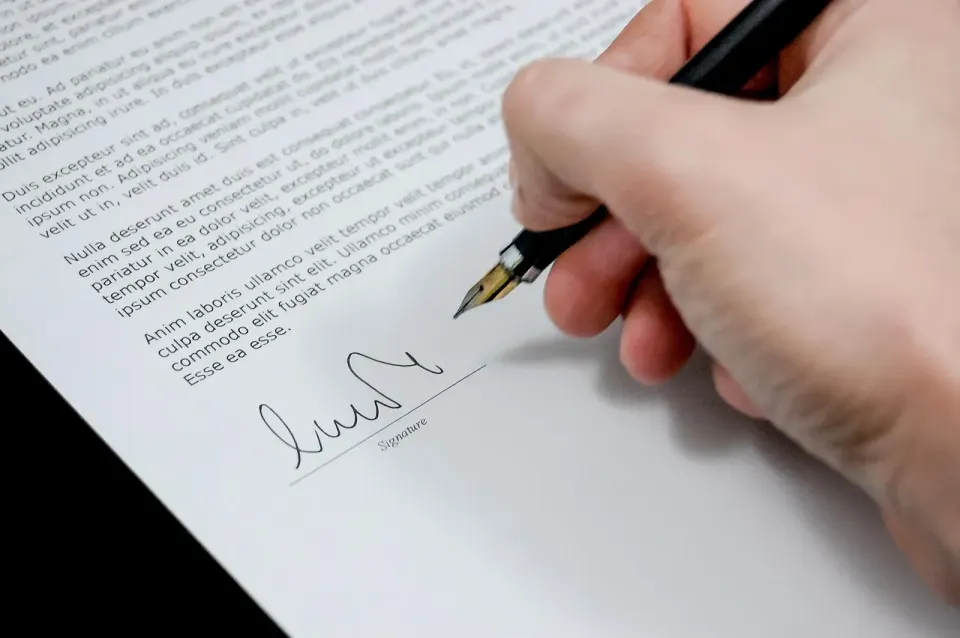
Seller closing costs are the fees to transfer ownership, and which ones you pay depends on your state and your contract. Common items include title search and insurance, escrow or attorney fees, recording fees, transfer taxes and your final share of property taxes.
The Consumer Financial Protection Bureau (CFPB) publishes a closing disclosure explainer. It shows where a seller credit appears and how taxes and prepaid items are split between buyer and seller. The CFPB also posts a seller-only version of the form, so ask your closing agent for yours early.
Watch for these items on your own statement:
- Payoff of your mortgage or any home equity line, plus a small payoff-letter fee.
- Your share of property taxes up to the closing date.
- Any repair credit or concession you agreed to after the buyer's inspection.
- Homeowners association transfer or document fees, if you belong to one.
Older homes can add paperwork too. A house built before 1978 needs lead paint disclosures, which our lead paint disclosure checklist covers step by step.
Which Prep Costs Are Worth Paying Before You List?
Spend on prep only where it raises the price or shortens the sale. Paint, deep cleaning and small repairs usually earn their cost. Large renovations rarely do, especially in a house you are leaving.
Start with the items a buyer's inspector will flag anyway. Leaking taps, loose handrails, broken door latches and burned-out bulbs make a house look neglected. Fixing them costs little and removes easy reasons to ask for a discount.
Then look at what you can skip. A new kitchen or bathroom will not return its full cost at sale.
Offering a modest repair credit is often cheaper than doing the work yourself. Clutter is the one prep item that costs only time, which is why sorting and donating should begin before the listing photos.
Helen Ward, our property editor, recommends getting two or three contractor quotes before deciding on any job over $1,000. Compare them against what the agent says the work will add. If the agent cannot name a number, skip the project.
Do Selling Costs Lower Your Tax Bill?
Yes, some do. Selling expenses reduce the amount you realize from the sale, which can shrink any taxable gain.
The Internal Revenue Service (IRS) says in Topic 701 that you may exclude up to $250,000 of gain, or $500,000 on a joint return, from the sale of your main home. A house held for decades can still surprise people with a large gain.
IRS Publication 523 sets out the arithmetic. Your gain starts with the selling price minus selling expenses, then your adjusted basis comes off. That is why every commission and closing fee matters.

Nolo notes that agent commissions, attorney fees and closing fees count, while cleaning and most repairs generally do not.
Our walkthrough of the home sale tax exclusion for downsizers explains the ownership and use tests in more detail. Keep every receipt, because you need proof of what you paid. Our paper-sorting plan for downsizers shows how long to hold each record.
This is general information, not tax advice. If your gain could pass the exclusion, a tax professional can run the real numbers.
What Carrying Costs Add While the House Sits?
Carrying costs are the bills you keep paying until the closing date. They include the mortgage, property taxes, insurance, utilities and lawn or snow care. They are easy to forget because they are not on the closing statement.
A listing that sits for two extra months can add several thousand dollars here. Price the house with that in mind. A realistic first price often beats a high one that needs two cuts.
Plan your move date around the likely closing date, not the listing date. The simple rule is to book movers only once the contract is firm.
How Do You Estimate Your Net Proceeds Before You List?
You estimate net proceeds by subtracting every cost from the expected sale price, then comparing at least two scenarios. A written net sheet from your agent does most of the work. Midlife Simplicity's editors suggest asking for one at a low, middle and high price.
Follow these steps in order:
- Write down your expected sale price and a conservative one 5% lower.
- Get your mortgage payoff figure from your lender.
- Add the agent fees you negotiated, including any buyer-agent amount.
- Add title, escrow, recording and transfer costs from a local closing company.
- Add your prep budget and the cost of moving out.
- Subtract the total from the price to see what you keep.
Here is a worked example. Say the house sells for $400,000 and you owe $120,000 on the mortgage.
Selling costs come to $30,000. You walk away with about $250,000 before any tax.
That is $30,000 less than the equity you see on paper, and it is the figure to use when you plan a purchase or a rental deposit.
Run the same sheet for a second agent and compare the bottom lines, not the headline rates. A higher commission can still win if the agent sells for more. A lower one can cost you if the house sits.
Keep a cushion of a few thousand dollars for surprises. Buyers' inspections often turn up small credits, and those come out of your side of the table.
Your Next Step: Build a Net Sheet
Selling costs are easier to carry when you see them early. Start with a net sheet, negotiate the commission before you sign and save your receipts for the tax return. Then you can plan the rest of the move around a number you trust.
Selling costs can feel like a tax on a decision you did not want to make. They are not. Each line is a choice or a negotiation, and most sellers who ask questions early keep thousands of dollars they would otherwise hand over without noticing.
Read each quote line by line, ask what is optional, and keep the answers in one folder. That folder becomes your tax record and your checklist at closing.
If you are still choosing where to go next, the money you keep decides your options. Build the net sheet first, then look at what that figure buys.
How much does it cost to sell a house in 2026?
Can I negotiate the real estate agent's commission?
Do sellers still pay the buyer's agent?
Which home selling costs reduce my taxable gain?
This guide is part of our Selling series. One small job a week arrives in Sunday Notes, with nothing to sell you.
In this article 8 sections


Sunday Notes
One email.
One small job
for the week.
Every Sunday: a single checklist, a single story, nothing to sell you. Unsubscribe in one click.