Moving to a New State: How to Update Your Driver's License, Vehicle Registration and Voter Registration
The state-level paperwork after an interstate move, in the order that makes each step easier, with the deadlines to check.

In this article 7 sections
After moving to a new state, update your driver's license, vehicle registration and voter registration with the state where you now live. Start with proof of your new address, then handle the license, then the car, then voting. Deadlines differ by state, so check each official state website before you go.
These three updates are easy to put off because nothing breaks the day you unpack. Then a renewal notice, a traffic stop or an election arrives, and the old address causes trouble. This guide is for downsizers, retirees and anyone relocating across state lines who wants the state paperwork done once and in the right order.
Midlife Simplicity covers the federal side in a separate checklist. Here we stay with the state-level records, which are the ones that depend on where you live now. The steps are general information, and every state sets its own rules, fees and deadlines.
What should you update first after moving to a new state?
Update the records that prove you live in your new state, starting with your driver's license. A license with a local address is the document most agencies accept, and some voter registration systems ask for it. Then move to the vehicle and your voter registration.
The official government guide on how to change your address lists the main places to notify. It points to federal taxes, Social Security, veterans benefits, immigration, driver's license and vehicle registration, and voter registration. That list is a useful master checklist for the whole move.
The same page warns about paid services. Scammers may charge $40 or more to do an address change that you can do yourself for $1.10 on the official postal website. The pattern repeats with state offices, so type the address of a state agency yourself or follow links from a government directory.
If you have not yet filed the federal changes, our guide on changing your address with the IRS, Social Security and USPS covers those steps. It pairs well with this one.
How do you change your driver's license after an interstate move?

Contact the motor vehicle agency in your new state and ask what it needs from a new resident. Most agencies want proof of identity, proof of your new address and your current license. Many also ask for your Social Security number, and some require a vision test or a written test.
The USAGov page on state motor vehicle services links to the official agency for every state and territory. It says you can use it to get or renew a license, register a car and get a Real ID. Start there rather than with a search engine.
Proof of address is where many movers get stuck. A signed lease, a closing statement, a utility bill or a bank statement with your new address often works, but each state has its own list. Renters should keep the lease handy, and our look at hidden rental fees to check before you sign a lease is worth a read before the paperwork is final.
Plan for a deadline. Many states give new residents a set window to get a local license, often measured in weeks or a few months. Check the number for your state on its official site, since a missed window can mean a fine or a problem with insurance.
Bring original documents and a way to pay. Some offices take appointments only, and wait times vary by county. Book a slot as soon as you have your address proof in hand.
How do you update your voter registration after moving?
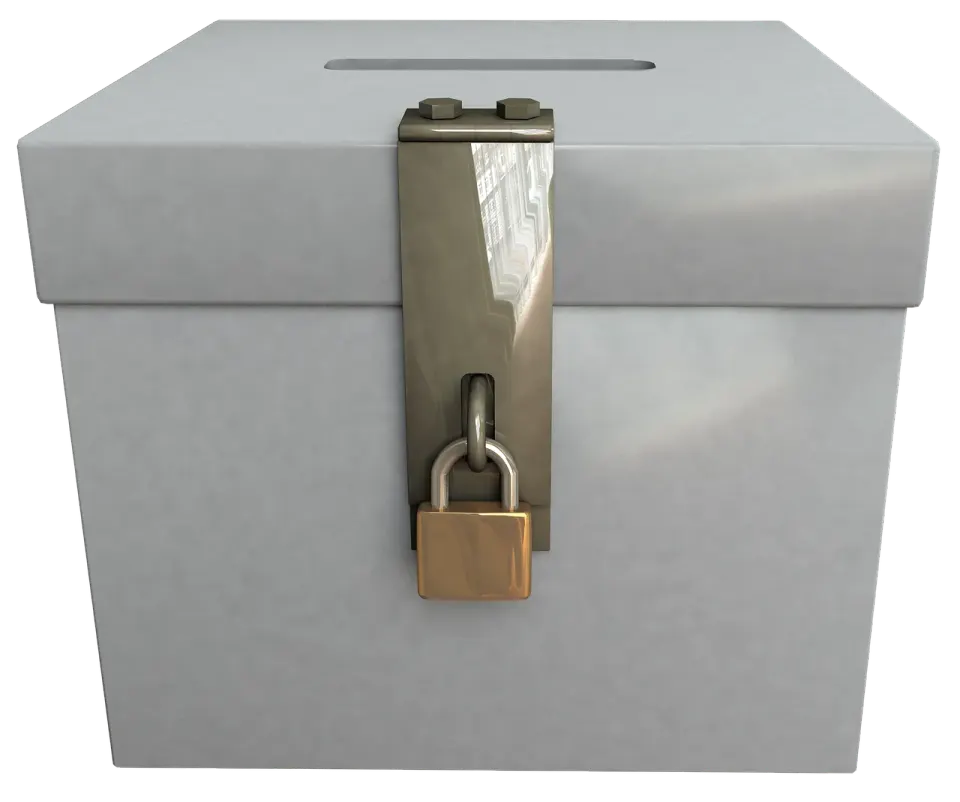
You must register again in your new state if you moved out of state. If you moved within a state, you update your address instead. The official site Vote.gov explains registration and links to each state's online form. Each state sets its own rules, so use the form for the state where you now live.
Deadlines matter more here than anywhere else in the process. Vote.gov says the deadline can be as early as 30 days before Election Day, and states set their own dates. It also says your state may ask for an updated driver's license or ID card when you register, which is why the license comes first.
A move close to a presidential election has a special rule. If the deadline in your new state has passed, your old state must let you vote by mail or in person in the presidential general election. In other elections your old state may allow it, and after that you need to register in the new state.
Check your status after you submit the form. Vote.gov notes that registration can be marked inactive if you did not vote in at least two federal elections and did not respond when officials tried to reach you. A quick status check on your state election website, found through the USAGov directory of state and local election offices, catches that early.
What about vehicle registration, insurance and other state records?

Insurance comes first for a vehicle. Call your insurer before you move, tell it your new address and ask how the rate changes. Many insurers price by ZIP code, and a state registration office will usually want proof of coverage that meets its own minimums.
Next, register the car in your new state. The motor vehicle agency usually asks for the title or lien information, your license, proof of insurance and sometimes an inspection or emissions test. If a lender holds the title, expect extra time while it sends the paperwork.
New plates and a new registration sticker are the visible sign that you have done it. Keep the old plates until the office tells you what to do with them, since some states want them returned.
Other state-level records follow the same pattern. Professional licenses, a concealed carry permit, a fishing or hunting license and property tax homestead filings may all need a new-state version. Make a short list from your wallet and your filing cabinet, and tick each one off as you finish it.
Health coverage may also change with your address. Our piece on Medicare when you move and plan changes during open enrollment explains what to check for that one.
What mistakes slow down a move between states?
The most common mistake is waiting for a deadline notice. Offices rarely send one to a new resident, so the clock runs quietly from the day you establish a home. Write the dates down early and work back from the earliest one.
A second mistake is arriving at the counter with the wrong proof. Each agency publishes its own list of accepted documents, and a printout of an online bank statement may be refused where a paper one is accepted. Read the list for your state, then bring one more document than it asks for.
Couples also forget that each adult needs to be handled separately. Both spouses need a license and a voter registration, and each person may need to show proof of address under their own name. If only one name is on the lease or the utility bill, ask the office what else it will take.
The last mistake is letting insurance lapse during the changeover. Keep your old coverage active until the new policy starts, and ask the insurer for a letter or card showing the dates. A gap of even a few days can cause trouble at registration time and may raise your rate later.
A simple order of work for the first 90 days

A short schedule keeps the job from sprawling. The list below is a sensible order for most movers, and you can shift the dates to match your state's deadlines.
- Week one: collect your lease or deed, a utility bill and your Social Security number.
- Week one: call your insurer and give the new address.
- Weeks two and three: book and attend your driver's license appointment.
- Weeks three and four: register the vehicle and get new plates.
- By the end of month one: register to vote using the new license.
- By day 90: check your voter status and sort the old-state paperwork.
Treat the 90 days as a guide, not a rule. Some states ask for a license change sooner, and a nearby election can pull the voter registration date forward. Midlife Simplicity suggests writing each deadline on the calendar the day you learn it.
Keep copies of everything you submit, along with confirmation numbers. A single folder for these papers helps later, and the keep-or-shred plan for downsizers' records shows how long to hold on to each kind.
Conclusion: do the state paperwork once, in order
Moving to a new state brings a short list of official updates that cannot be skipped. Prove your address, change your license, register the car, then register to vote. Each step makes the next one easier.
Your next step is to open the USAGov directory, find your new state's motor vehicle agency and election office, and write down the deadline for each. At Midlife Simplicity, we recommend doing that before the moving van arrives, so the calendar is ready when the boxes are.
How soon do I need to change my driver's license after moving to a new state?
Can I register to vote in my new state before I get a new driver's license?
What if I moved too close to a presidential election to register?
What proof of address can I use at the motor vehicle office?
This guide is part of our Paperwork series. One small job a week arrives in Sunday Notes, with nothing to sell you.
In this article 7 sections


Sunday Notes
One email.
One small job
for the week.
Every Sunday: a single checklist, a single story, nothing to sell you. Unsubscribe in one click.