Change of Address Checklist for Downsizers in 2026: Who to Tell and When
Selling the family home means moving your mail, your tax records and your benefits. Here is the order that keeps important letters from landing at the wrong door.

In this article 7 sections
File one permanent change of address request with USPS, then update the IRS, Social Security, your bank, insurers and utilities directly. USPS forwards most first-class mail for 12 months, so the forwarding order is a safety net, not a substitute. You can file up to 90 days before the move and 30 days after.
A change of address sounds like one task. When you downsize, it is closer to thirty. This guide is for downsizers, empty nesters and anyone about to leave a long-held home, and it puts the jobs in order so nothing important lands at a house you no longer own. Midlife Simplicity covers moving paperwork in small, ordered steps, and this checklist follows the same idea.
Why a change of address checklist matters before you sell
When you sell a home you have owned for decades, your name is attached to a lot of paper. Banks, insurers, pension administrators, doctors and the tax office all hold the old address. Most of them will not go looking for you if a letter bounces.
Picture one month of mail for a single household: a bank statement, a pharmacy refill notice, a property tax bill, a magazine and an insurance renewal. Each comes from a different sender with a different mailing system. That is why one forwarding order cannot do the whole job.
The risk is not only a missed bill. Tax notices, benefit letters and insurance renewals carry deadlines. A letter that sits in a new owner's pile can start the clock on a penalty or a lapsed policy.
The fix is order. Do the quick, cheap steps first, then the slower agency updates. If you are still deciding where to land, the guide to seven things to check before moving to another state in retirement pairs well with this one.
How do you file a USPS change of address?
Go to the official USPS site, choose a permanent move, enter your old and new addresses, and verify your identity with a credit or debit card. The online request costs $1.25. You can instead fill out PS Form 3575 at a post office, which carries no fee but needs photo identification.
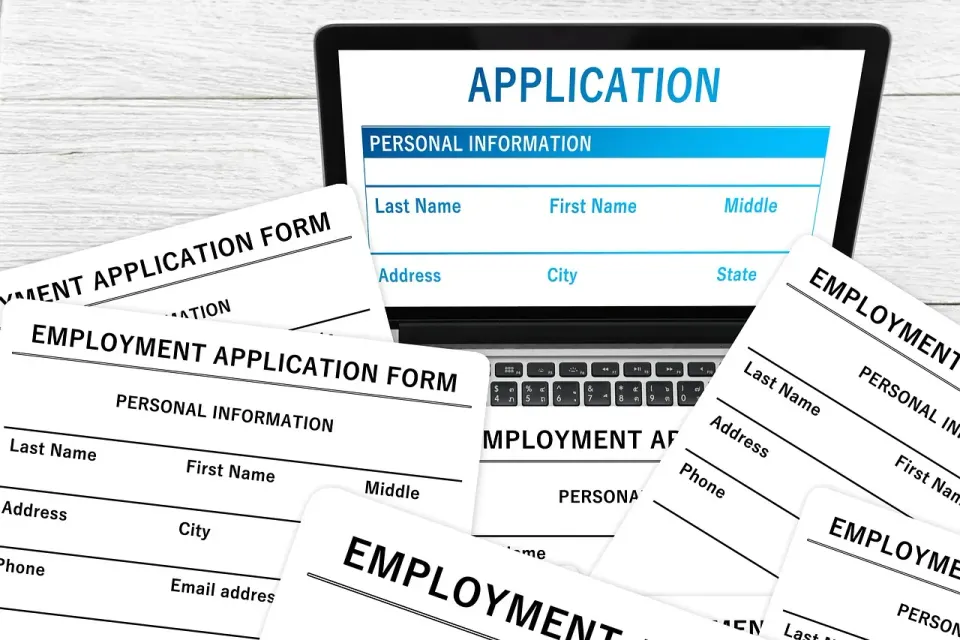
Timing matters more than most people expect. The Postal Service's change of address basics page says a request can go in 90 days before the effective date of your move and up to 30 days after it. Mail starts arriving at the new address within 7 to 10 postal business days of the start date.
Choose the move type carefully. One person moving is an individual move. A household with the same last name can file one family request. People with different last names need separate requests.
If an adult child is filing for a parent, the rules change. An authorized agent must file the paper form in person at a post office, bring their own photo identification and carry proof of authority, such as a power of attorney. Gather those papers before the trip, not at the counter.
How long does USPS forward your mail?
USPS forwards first-class mail for 12 months after a permanent change of address. Magazines and other periodicals forward for only 60 days. Between months 13 and 18, mail is returned to the sender with your new address attached. Plan to update every sender before the first year ends.

That 60-day limit surprises people who subscribe to a newspaper, a hobby magazine or an alumni journal. Those senders need your new address directly, and soon. Put them at the top of your list.
Two other limits are worth knowing. Mail will not forward if the sender has told USPS to return anything undeliverable. Forwarded marketing mail may also carry postage due.
Keep a short list of anything that arrives forwarded, with the sender's name. Every item on that list is an account you have not yet updated. Treat the list as your to-do list for the first six months.
If your sale closes before your next home is ready, use temporary forwarding instead. A temporary request runs from 15 days up to 364 days, and mail then goes back to the original address when it ends. That suits a short rental or a stay with family. It does not suit a house you have already sold, because the new owner will be receiving your mail again once the forwarding stops.
Tell the IRS and Social Security yourself
A USPS request does not update any government record. Each agency keeps its own file, and each needs its own notice. This is the step most downsizers skip, and it is the one with the highest cost.
For federal taxes, use Form 8822. The Internal Revenue Service (IRS) Form 8822 lets you notify the agency of a new home mailing address. The form notes that processing generally takes 4 to 6 weeks, so file it as soon as you have a confirmed address. Your state tax agency has its own process, so check its website as well.

If you receive Social Security retirement, survivor or disability benefits, or you are enrolled in Medicare, the Social Security Administration (SSA) says you can change your mailing address online. Use the My Profile tab in your personal my Social Security account. People who receive Supplemental Security Income (SSI) must call 1-800-772-1213 or visit a local office instead.
Moving year is also donation year. Keep a dated receipt for every carload of furniture and clothing you give away. The post on what the IRS lets you deduct when you donate household items explains what to record.
Update banks, insurers, utilities and doctors
Work through this list in order, with the most time-sensitive accounts first:
- Banks, credit cards and any loan servicers.
- Home insurance: start the new policy and cancel the old one for the closing date.
- Auto insurance, vehicle registration and driver's license, which follow your state's deadlines.
- Pension and retirement plan administrators.
- Doctors, dentists and your pharmacy.
- Utilities: book final meter readings for the day you hand over the keys.
- Voter registration, subscriptions and online shopping accounts.

Banks and lenders deserve special attention. A statement that goes astray can hide a fraud alert or a rate change. Most banks let you change a mailing address in the app or by phone, and many will send a confirmation to both addresses.
Insurance deserves a second look. Your old policy should end on the closing date, and the new one should begin the day you take possession. Ask each insurer for written confirmation of both dates, and ask your mover whether goods in transit are covered by their policy or yours.
Property records are a separate system from the post office. A deed or a recorded beneficiary designation changes only if you update it. The explainer on transfer-on-death deeds and what the 2026 Maryland and Georgia rules mean for downsizers shows why those records deserve a look.
Keep a simple log as you go. Write the date, the account and how you confirmed the change, whether by email, a letter or a call reference number. At Midlife Simplicity, we suggest keeping this log in the same folder as your closing papers, so it is easy to find if a bill goes astray.
If you are the only person who handles the household paperwork, add a trusted second person to the plan. A grown child or close friend can watch for missing mail at the old address for a few weeks after closing. That small step catches the odd bill or notice before it turns into a late fee.
Skip the paid third-party address-change sites
Search for "change of address" and the first results are often paid services. The Postal Service warns that some third-party sites charge $40 or more, and it no longer accepts submissions from third-party businesses. It cannot refund fees paid to a site it does not own.
File only through the official forwarding page on USPS.com, or at a post office counter. The correct online fee is $1.25, and the charge appears as a USPS identity verification fee. Anything higher is a sign you are on the wrong site.
A simple order for your change of address
The easiest way to finish is to tie each step to a date on the calendar. Use this sequence:
- Ninety days out: list every account that sends you mail.
- Two weeks out: give your new address to senders and magazines directly.
- Moving week: file the USPS permanent change of address.
- First month: send Form 8822, update Social Security and call your insurers.
- Month six: check for returned mail and fix any sender you missed.
- Month ten: confirm every account before USPS forwarding ends.
If your next stop is a rental, expect to list both addresses on applications. The guide to proving income on a rental application after selling your home covers the paperwork landlords ask for. A tidy address trail makes that process faster too.
Do not wait for the perfect moment to start. Most of this work takes only minutes per account, and almost all of it can be done from a phone or laptop. Spreading it across three months turns a stressful scramble into a few short sittings.
Can I file a change of address after I have already moved?
Does a USPS change of address update the IRS or Social Security?
How much does it cost to change your address with USPS?
What should I do if I move into a rental before my home sells?
This guide is part of our Paperwork series. One small job a week arrives in Sunday Notes, with nothing to sell you.
In this article 7 sections



Sunday Notes
One email.
One small job
for the week.
Every Sunday: a single checklist, a single story, nothing to sell you. Unsubscribe in one click.