Selling Furniture Online While Downsizing: Fake Payment Scams to Avoid
Fake payment notices, overpayment tricks and verification code requests target sellers clearing a house. Here is how each one works and how to sell locally and safely.

In this article 12 sections
The safest way to sell furniture online while downsizing is to meet the buyer locally, take cash and confirm any app payment inside your own account. The Federal Trade Commission (FTC) warns about fake payment notices and overpayment tricks. Never ship an item, or send money back, because of an email or screenshot.
This guide is for downsizers and empty nesters who are listing furniture, tools and household goods on Facebook Marketplace, Craigslist or similar sites. It explains six scams aimed at sellers, how each works and what to do instead. Midlife Simplicity includes a short checklist to use before every sale.
Why Do Downsizers Make Good Targets for Seller Scams?
Downsizers list many items in a short time. A move date creates pressure, and pressure makes people hurry. Scammers know that a seller with a deadline may skip a check.
Furniture also draws fast, easy-looking offers. A buyer who accepts your full price within minutes and never haggles is a warning sign, not a lucky break. A local report from August 2026 described this pattern in detail, according to WRDW.
Many of these scams use payment apps because the money is hard to trace. In a July 2026 consumer alert, the FTC says scammers push methods such as bank transfers, wire transfers, cryptocurrency, payment apps and gift cards. It adds that anyone who says you can only pay one way is probably a scammer.
What Is the Fake Payment Notification Scam?
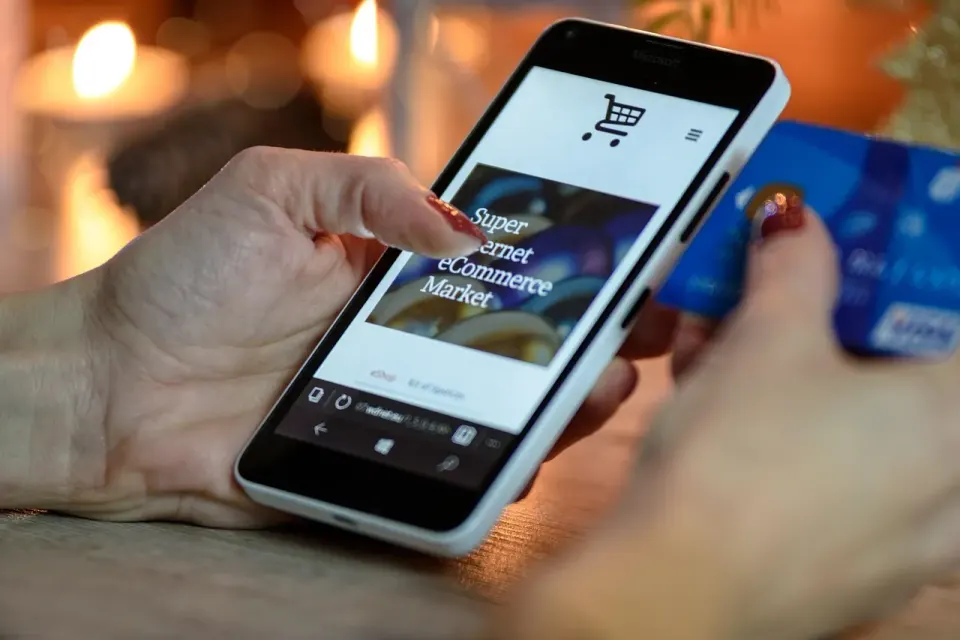
A "buyer" says they sent the money through an app such as Venmo or Zelle. You see nothing in your account. Then an email arrives that looks like it came from the payment service. It says the payment is on hold and asks you to send a few hundred dollars to "upgrade" your account.
That upgrade fee is the real theft. The original payment never existed. WRDW's report describes this exact sequence, and AARP lists a fake upgrade-fee email styled to look like Zelle as a known seller scam.
The fix is simple. Open your bank or payment app yourself, using the app on your phone or the official website. If the money is not there, you were not paid. Never send money to a buyer in order to receive money.
How Does the Overpayment Scam Work?
A buyer sends two payments, or one that is too large. They then say it was a mistake and ask you to refund the extra. The notifications are fake, so you end up sending real money for nothing.
The FTC's advice for online sellers describes both versions. A buyer says they paid twice by accident, or sends a check for more than the price and asks you to wire back the difference. The agency says not to deposit a check for more than the selling price.
Checks deserve special care. The FTC explains that a bank may make funds available within about two days, yet the check can still be fake. It can take weeks for the bank to find the fraud and take the money back. By then you may have lost both the item and the cash you sent.
What Is the Verification Code Scam?
A fake buyer asks for your phone number "to confirm you are real." Then they text you a code and ask you to read it back. The code can let them take over an account, including a messaging account, in your name.
AARP notes that the Better Business Bureau has warned about this trick. The FTC also tells sellers not to share verification codes, including Google Voice codes, with anyone they do not know.
Keep your phone number private. Use the site's own messaging tool. If a buyer pushes to move to text or asks for a code, end the conversation.

Which Other Tricks Should You Watch For?
Several smaller schemes show up again and again. Each has a simple counter.
- A fake shipping agent who offers to send a courier and asks you to pay a pickup fee.
- A buyer who sends a link to "confirm" payment on a lookalike website.
- A buyer who insists on a deposit before you inspect or hold the item.
- A personal check that bounces weeks later.
- A buyer who wants gift cards, wire transfers or cryptocurrency.
Any request to pay a fee in order to receive money is a scam. The same goes for any link that asks you to log in to a payment account. Type the web address yourself, or open the app.
How Can You Sell Locally and Stay Safe?
The FTC's best advice for sellers is to sell to a local buyer you can meet in person and accept cash where possible. Cash does not bounce, and you can count it on the spot. That rule alone ends most of the scams above.
Plan the handoff before you list. Pick a public spot with good light and cameras. Some police departments set aside parking spaces for online sales, as AARP notes. Bring a friend if you can.
For big pieces, do the meeting at the curb of a home with a clear path out. A dining table is hard to carry, so many sellers prefer to help load it. Keep the door closed and the rest of your belongings out of sight.
At Midlife Simplicity, we suggest a short rule list taped to the front door during a sale: no money apps from strangers, no checks and no codes. It helps when a buyer pushes you to bend the rules.
What If a Buyer Wants Delivery or Shipping?
Shipping raises the risk. You must trust that payment is real before the item leaves. If you must ship, use the platform's own checkout and shipping tools, which carry some seller protection.
AARP says Facebook's protection covers only purchases made through its own checkout and shipping system. Pickups and payments through apps such as PayPal or Venmo are not covered. That means a local sale paid by app has no safety net.
For items too large or valuable to risk, consider an estate sale service or a consignment shop. They handle buyers and payments, and they take a share of the price. Our guide to renting a storage unit while downsizing can help if you need time to sell the right way.
How Do You Check a Buyer's Profile?
Look for warning signs. A new account, few friends, no activity or a missing profile photo are all red flags. WRDW also suggests a reverse image search to see whether a profile photo was copied from elsewhere.
Read the messages carefully. Scammers often use stiff phrases, odd grammar or generic wording such as "Is this item still available?" followed by a rush to pay. A real buyer asks about size, condition and pickup.
Keep all conversations on the platform. A record on the site helps if you need to report a problem. Moving to text or email removes that trail.
What Should You Do If You Think You Were Scammed?
Act fast and keep calm. Stop talking to the buyer and do not send more money. Contact your bank or the payment service and explain what happened. The FTC says to tell the company you used that it was fraud and ask whether it can stop or reverse the transaction.
Report the scam to the FTC at ReportFraud.ftc.gov. Also report the user to the selling site. Those reports help others and can lead to account removals.
If a scammer got your verification code, secure your accounts right away. Change passwords, turn on two-step verification and check for unfamiliar logins. A counterpoint is fair. Most buyers are honest, and a careful routine lets you sell with confidence.
Does Selling Furniture Online Have Tax Rules Too?
Yes, in some cases. Payment apps and marketplaces may send you a Form 1099-K once your sales pass a threshold. Selling used furniture at a loss is usually not taxable, but you should keep records. Our guide to the 1099-K and tax rules for selling household items explains what to track.
Donation is another route. If an item will not sell, a charity may take it. Check our article on donating furniture while downsizing for the tax rules and what charities accept.

A Seller's Safety Checklist
Use this list on every sale. It takes a minute and blocks most scams.
- Set a firm price and a pickup time in the listing.
- Meet in a safe place and accept cash when you can.
- Open your own banking or payment app to verify any payment.
- Refuse checks, overpayments and requests to refund anything.
- Never share a code or click a payment link from a buyer.
- Keep every message on the selling site.
Your Next Step
Before you post your next listing, write your three rules on a card and keep it by your phone. Then decide how you want to be paid. Cash on pickup is the simplest choice, and it protects you most.
Midlife Simplicity editors will add new scam patterns as the FTC and AARP report them. Until then, treat any pressure to pay, refund or share a code as your cue to stop.
How do I know if a buyer really paid me through a payment app?
What is the overpayment scam when selling online?
Why does a buyer ask for my verification code?
What should I do if I was scammed selling furniture?
This guide is part of our Downsizing series. One small job a week arrives in Sunday Notes, with nothing to sell you.
In this article 12 sections


Sunday Notes
One email.
One small job
for the week.
Every Sunday: a single checklist, a single story, nothing to sell you. Unsubscribe in one click.