Household Hazardous Waste When Downsizing: 7 Things to Handle Safely
Paint, batteries, old medicines and garden chemicals cannot go in the dumpster with everything else. Here is how to clear the garage and cupboards without making anyone sick.
In this article 12 sections
Household hazardous waste is the leftover paint, batteries, medicines, garden chemicals, motor oil and cleaners that cannot go in the trash or down the drain. When downsizing, sort these into a separate box first. Then take them to a local collection site, a retail drop-off program or a pharmacy kiosk before moving day.
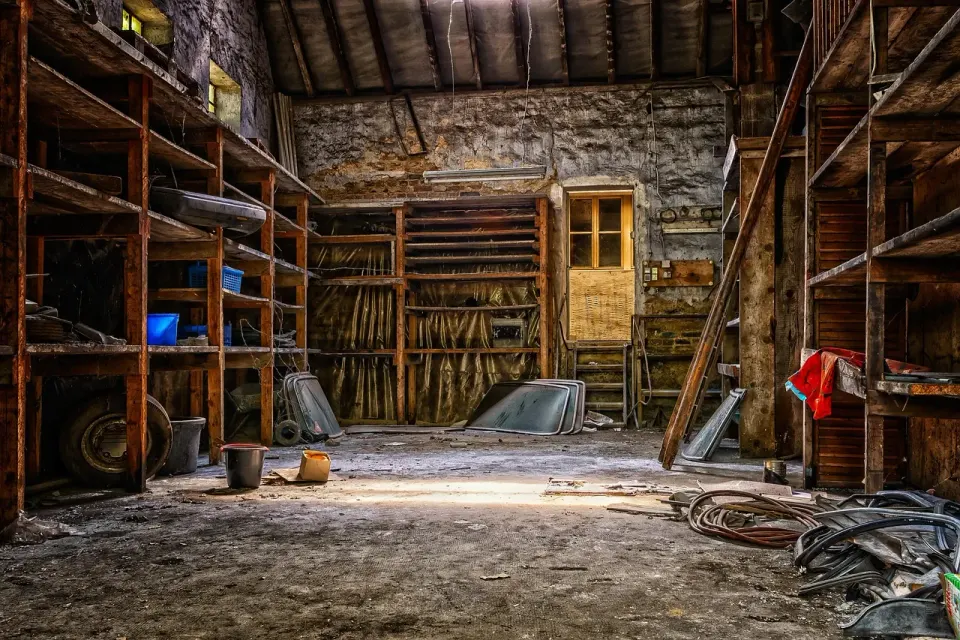
Every garage has a shelf like this. Half-full cans of paint from rooms painted twenty years ago. A drawer of dead batteries. Weed killer with a faded label. It is the least-loved corner of the house, which is exactly why it is worth tackling early. At Midlife Simplicity, we cover downsizing and the practical jobs that come with it.
This list is for anyone in their fifties or sixties emptying a family home, especially the garage, basement, shed or workshop. It covers seven common categories and where each one can go. Programs vary a lot by state and county, so check your local rules before you load the car.
Why Household Hazardous Waste Needs Its Own Plan
The Environmental Protection Agency (EPA) defines household hazardous waste as leftover products that can catch fire, react or explode, or that are corrosive or toxic. Its examples read like an inventory of the average garage: paints, cleaners, oils, batteries and pesticides.
The EPA is clear that these should never be poured down drains, onto the ground or into storm sewers. It also warns against mixing products and storing them in food containers. Both happen a lot during a rushed clear-out.
The rule is simple. Hazardous items get their own sturdy box from day one, kept upright and away from the donation pile. Nothing in that box gets combined or decanted. It goes out in one or two planned trips, not mixed in with the junk haul.
1. Leftover Paint and Stain
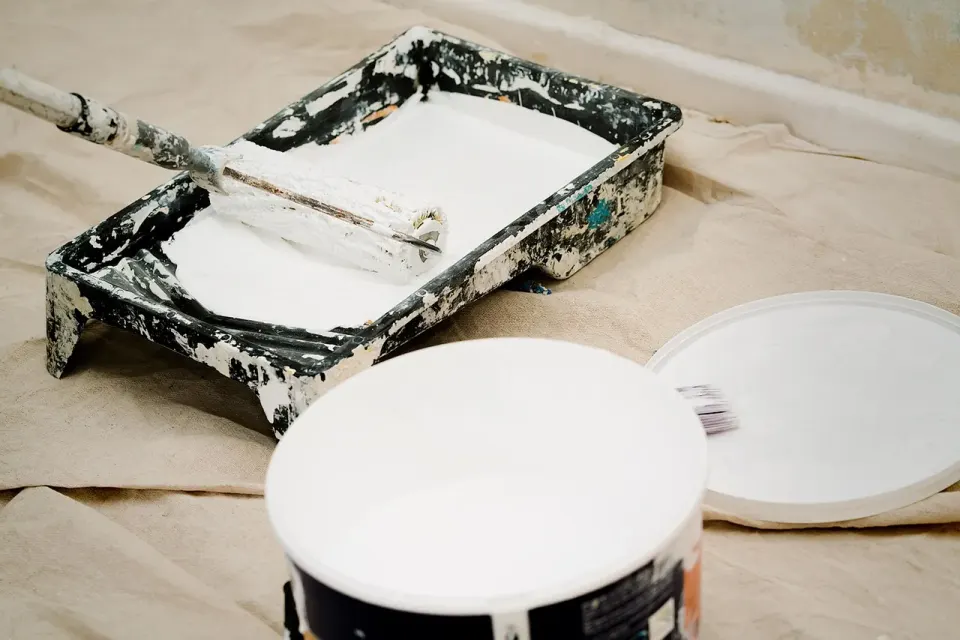
Paint is usually the biggest category by volume. Before anything else, keep two or three cans that match rooms in the house you are selling. Buyers and agents appreciate touch-up paint, and it is one less thing to buy later.
For the rest, check whether your state has a paint stewardship program. As Hardware Retailing reported on Maryland’s new PaintCare program, these programs already run in states including California, Colorado, Connecticut, Illinois, Maine, Minnesota, New York, Oregon, Rhode Island, Vermont and Washington, plus the District of Columbia. Maryland’s program was expected to start in 2026 with more than 100 drop-off sites.
Drop-off sites are often paint and hardware stores, which makes this one of the easier trips. Outside those states, your county’s hazardous waste collection program is the next stop.
2. Batteries and Old Devices
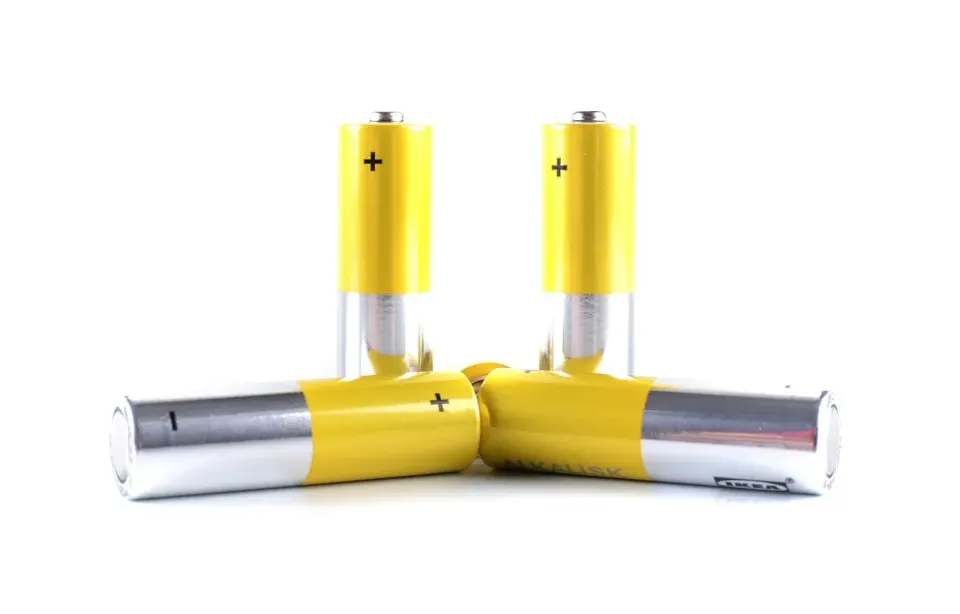
Batteries hide everywhere: kitchen drawers, old remotes, cordless tools, cameras and phones nobody has turned on in years. Lithium-ion batteries are the ones to watch. The EPA’s guidance on used lithium-ion batteries says they should not go in household garbage or curbside recycling bins.
The reason is fire. The EPA says these batteries can be damaged or crushed in trucks and sorting equipment, which creates a fire hazard. Take them to a battery recycling point or a hazardous waste collection site instead.
The EPA suggests two simple steps before drop-off. Put each battery or battery-powered device in its own plastic bag, or tape over the terminals with electrical tape. Keep a roll of tape and a box of zip bags in your clear-out kit for exactly this.
3. Old Medicines and Supplements
Bathroom cabinets in a long-time family home can hold years of expired prescriptions. The EPA’s page on collecting and disposing of unwanted medicines points households to take-back programs as the first choice. Many retail pharmacies and hospitals have collection kiosks, and some police departments collect medicines too.
If no take-back is nearby, the Food and Drug Administration (FDA) describes a trash method. Mix the medicines with something unappealing, such as used coffee grounds, dirt or cat litter. Seal the mix in a bag or container and put it in the household trash.
The FDA also says not to flush medicines unless they appear on its specific flush list. Scratch your name and details off the empty bottles before they go in the recycling.

4. Garden Chemicals and Pesticides
Sheds collect weed killers, insect sprays, fertilizers and rodent bait, often in containers with peeling labels. These belong in the hazardous items box. Do not pour them out to empty the bottle, even on a corner of the yard.
If a product is still sealed and clearly labeled, a neighbor or community garden may be glad to have it. If the label is gone or the container is leaking, put it in a larger sealed container and mark it "unknown chemical" for the collection site staff.
Older sheds deserve a slow, careful look. Older sheds can hide products bought decades ago, some no longer sold at all. Wear gloves, open nothing, and leave anything that looks really old or damaged for the professionals at the collection site to identify.

5. Motor Oil, Antifreeze and Fuel
Garages often hold used motor oil, a jug of antifreeze and a gas can for the mower. Some auto parts stores accept used motor oil, and county collection programs commonly take the rest. Call before you go, because rules differ by place.
Fuel needs the most care. Movers will not carry it, and it should never sit in a hot car for long. Run small engines like mowers and trimmers until the tank is empty if you plan to sell or move them.
6. Cleaners, Pool Chemicals and Aerosols
Under-sink cupboards and pool sheds hold strong cleaners, drain openers, chlorine and spray cans. Many of these products react badly with each other. The EPA specifically warns against mixing these products, because they may react or ignite.
Use up what you sensibly can in your final cleaning of the house. Pass sealed, everyday cleaners to friends or family. Take the strong stuff, such as pool chemicals and drain cleaners, to the collection site in their original containers.
7. Propane Cylinders and Other Pressurized Items
Barbecue tanks, camping canisters and fire extinguishers are all pressurized. Most movers refuse them. Ask your propane supplier or exchange retailer about a full-size grill tank, and your local program about small canisters and old extinguishers.
If you are relocating, ask your mover for its list of items it will not carry. Our guide to checks to make before moving to another state covers how to vet the company itself.
A Simple System for the Hazardous Box
A little structure stops this corner of the job from dragging on. This order keeps the work to two or three short sessions:
- Clear one shelf or table to act as a holding area, away from children, pets and heat.
- Go through the garage, shed, basement and bathrooms once, pulling out anything with a warning label.
- Sort into groups: paint, batteries, medicines, garden products, automotive, cleaners and pressurized items.
- Set aside anything sealed and useful to offer to family, friends or neighbors.
- Pack the rest upright in sturdy boxes lined with an old towel, each group separate.
- Book the drop-off trips and put them in the calendar.
Take a photo of each box before it goes. If a collection site asks what you are bringing, you can show them in seconds. It also helps when two siblings are clearing a parent’s house together and need to agree on what has been done.
What You Can Give Away Instead
Not everything with a warning label has to go to a collection site. Sealed, clearly labeled products often have a second life. A neighbor who is repainting may want your unopened gallon of white. A friend with a pool may take your sealed chlorine.
Be careful with what you offer, though. Pass on only products in their original containers with readable labels. Anything opened, rusty, leaking or unlabeled goes to the collection site, no exceptions.
How Do You Find a Household Hazardous Waste Drop-Off Near You?
Start with your county or city solid waste department. Most run either a permanent collection site or periodic collection days. The EPA also suggests searching the Earth911 database by ZIP code for collection locations. Some sites require an appointment, and many limit how much one household can bring.
Check the dates early. A county collection day can be weeks away, and missing it can leave you driving paint cans to your new home. Book the trip as soon as you set your moving date, and add it to the timeline in our change of address checklist.
Clearing the Garage Without the Stress
At Midlife Simplicity, we suggest treating household hazardous waste as its own small project inside the downsizing plan. Give it a box, a labeled shelf and one or two planned trips. Then the rest of the garage becomes a normal sort of keep, sell, donate and discard.
Schedule this job about four to six weeks before the move. That leaves time for a collection day and stops last-minute dumping. A cleared, clean garage also looks far better in listing photos. If you are selling, our explainer on the tax side of selling a family home is a useful next read while the boxes go out.
What counts as household hazardous waste?
Can I throw old paint in the trash when I move?
How do I get rid of old prescription medicines before moving?
Will movers take paint and chemicals?
This guide is part of our Downsizing series. One small job a week arrives in Sunday Notes, with nothing to sell you.
In this article 12 sections


Sunday Notes
One email.
One small job
for the week.
Every Sunday: a single checklist, a single story, nothing to sell you. Unsubscribe in one click.