Homeowners Insurance Before You Move: How to Check a New Town in 2026
Insurance can cost as much as a mortgage payment in some regions. Check coverage and price before you fall for a town, not after the offer is accepted.

In this article 6 sections
Get homeowners insurance quotes before you make an offer on a home in a new town. A 2026 SoFi survey found 44% of homeowners say premiums rival their mortgage payment, and 23% were dropped by an insurer since 2024. Ask for quotes, check flood risk and confirm the insurer is writing new policies in that area.
Most people choosing a new town compare home prices, taxes and distance from family. Insurance often comes last, if it comes up at all. In 2026, that order can cost you thousands of dollars a year, or leave you with a house you cannot insure at a price you can accept.
This guide is for downsizers and empty nesters who are shopping for a smaller home in a new place. It walks through the order of jobs: how to get real quotes before an offer, what to ask each insurer, how to check flood risk and what to do if private insurers decline you. Midlife Simplicity covers selling, renting and relocation for people moving to a smaller place, and a move is easier when the monthly cost is known before the deposit is paid. This is general information, not insurance or legal advice.
What the 2026 Insurance Squeeze Means for Movers
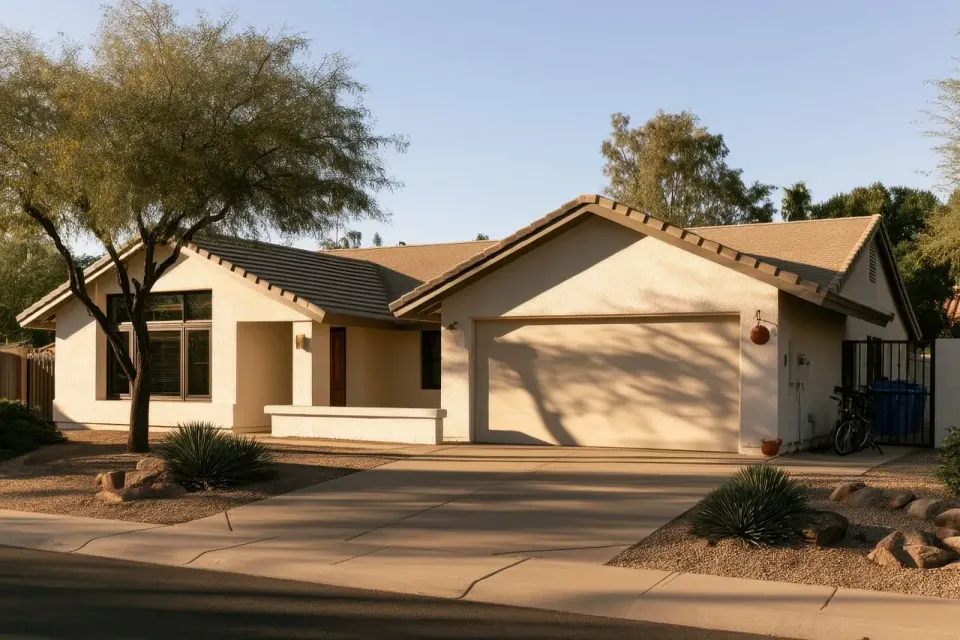
A SoFi survey of 520 U.S. homeowners, reported by InsuranceNewsNet in its look at the 2026 homeowners insurance squeeze, found that 39% saw premiums rise more than 20% at a single renewal over the past three years. Another 44% said premiums now rival their mortgage payments, a share that rose to 62% in the West. The survey is small, so treat it as a signal and not a national average.
The same report says 23% of homeowners were dropped by an insurer since 2024. Of those, 79% found a new private carrier, and 16% moved to state-sponsored coverage. It named California, Oregon, Colorado, Arizona and North Carolina as states with recent insurer cutbacks, and it put household insurance cost growth at 6.9% over the 12 months ending with May's Consumer Price Index.
For a mover, this changes the order of questions. A house that looks cheap on a listing can carry an insurance bill that makes it expensive to own. Insurance should sit next to the price, the property tax and the utilities on your comparison sheet.
How Do You Get Real Insurance Quotes Before Making an Offer?

Call an independent insurance agent in the new area and ask for quotes on the specific address. Online estimates can be rough, so use the house details: age, roof type and age, square footage, construction and nearby fire or flood risk. A local agent can also tell you which carriers are accepting new business.
Gather these details before you call:
- The full address, year built and square footage of the house.
- The roof age and material, and any updates to wiring, plumbing and heating.
- Your claims history for the past five years, from your current insurer.
- Your current coverage limits, so you can compare like with like.
- Whether the home sits in a mapped flood zone or a wildfire area.
Get at least three quotes, and ask each agent three direct questions. Is the company writing new policies for this ZIP code? Is there a separate deductible for wind, hail or hurricanes, and how is it calculated? What would cause a non-renewal? The answers can matter more than the price.
If the seller's agent offers an inspection report or the previous owner's policy, ask to see it. A claims history on the house can affect your quotes. Ask your own agent to run a property claims report, often called a CLUE report, for the address.
Why Flood Cover Needs a Separate Check

Standard homeowners policies usually exclude flood damage, so flood cover is a separate policy. The federal site FloodSmart.gov, run by the National Flood Insurance Program, explains how flood insurance works and how to find your flood risk. Use it before you commit to any address.
The SoFi survey found that of homeowners who named non-hurricane flooding as their biggest risk, only 41% had standalone flood insurance. More than 18% did not buy it because they assumed their homeowners policy covered floods. A basic mistake like that can be expensive after a storm.
Flood risk is not limited to the mapped flood zone. Many floods occur outside high-risk areas, and a house on a slope above a river can still have water in the basement after heavy rain. Ask the seller about past water damage, and look for signs such as stains, new drywall in a low area or a sump pump.
If you are downsizing to a condo or a townhouse, ask what the association's master policy covers. You may still need your own policy for the interior and your belongings. Read the association documents before you sign.
What If Private Insurers Say No?
Some states run a last-resort program for owners who cannot get private cover. California's FAIR Plan and Florida's Citizens are two examples. State insurance departments, such as the California Department of Insurance, explain how these programs work in their state.
These plans often cost more and cover less than a standard policy. Some provide basic fire cover only and leave you to buy additional protection for other risks. Ask what is covered, what is excluded and what the deductible is before you count on one.
If you cannot get insurance, you may not be able to get a mortgage. Lenders require coverage before closing. If you are paying cash, you have more freedom, but an uninsured house is a risk that falls entirely on you. Our guide to buying a smaller home with mortgage rates near 7% covers how financing and insurance fit into the same decision.
Document the property too. Take dated photos of each room, the roof and the outbuildings when you take possession, and store them somewhere other than the house. If you ever file a claim, good records speed up the conversation with the adjuster and support the value of what was lost.
Think about resale as well. A house that is hard to insure can be hard to sell later, because the next buyer faces the same problem. A home you cannot insure today may be a home you cannot sell easily in ten years.
How to Make the Premium Part of Your Moving Budget

Add the quoted premium to your monthly housing cost. Include the mortgage or rent, property tax, insurance, utilities and association fees. Our guide to a pre-move checklist for property tax ballot measures shows how another cost can shift under you after you arrive.
Remember the deductible. A policy with a low premium may carry a wind or hail deductible equal to a percentage of the home's value. On a $300,000 home, a 2% deductible is $6,000 out of pocket before the insurer pays anything. Make sure you could cover that amount in cash.
Try a stress test. Ask how much your premium would rise if it went up 20% at renewal, a figure that 39% of surveyed homeowners faced at least once. If that increase would break your budget, look at a different house, a different town or a higher deductible you can afford to pay.
You can also lower risk with the house. Roof upgrades, impact windows, fire-resistant materials and a monitored alarm can earn discounts with some insurers. In the survey, 35% said their insurer offers mitigation discounts, yet 45% did not know whether theirs does. Ask each agent about discounts before you decide which house to buy.
At Midlife Simplicity, our editors suggest renting in a town for a few months before you buy. It lets you check traffic, weather and neighbors, and our guide to renting before you buy explains how to run that trial.
Your Order of Jobs Before You Make an Offer
Work through the checks in a fixed order. First, pick two or three towns. Second, find a local independent agent in each. Third, request quotes for typical houses in your price range. Fourth, check flood and wildfire maps. Fifth, add the premium to your budget and compare towns. Only then start touring houses in earnest.
When you find a house, ask your agent to quote that exact address before you make an offer, and make the offer subject to insurance approval if your contract allows it. A contingency gives you a way out if the carrier will not cover the home. Ask your real estate agent how it works in your state.
Finally, keep the quotes and the written answers in your move folder. If a claim is denied or a premium jumps later, you will have a record of what you were told. A calm, early check takes an afternoon and can save you a stressful surprise in your first year in the new home.
Should I get homeowners insurance quotes before I buy a house?
Does homeowners insurance cover flood damage?
What can I do if no private insurer will cover a house?
Can I make my offer depend on getting insurance?
This guide is part of our Relocation series. One small job a week arrives in Sunday Notes, with nothing to sell you.
In this article 6 sections


Sunday Notes
One email.
One small job
for the week.
Every Sunday: a single checklist, a single story, nothing to sell you. Unsubscribe in one click.